


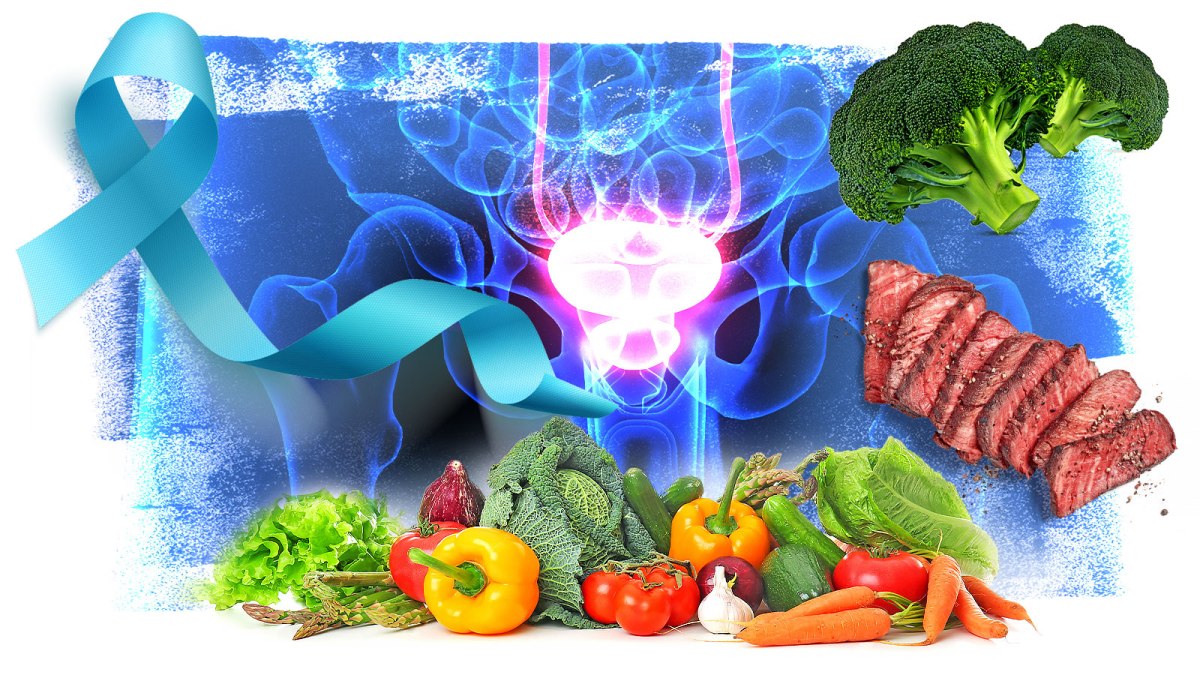
According to a new study, persons with prostate cancer may survive longer if they eat more fruits, vegetables, and whole grains.
Important lessons learned
1.] In comparison to men with prostate cancer who consumed fewer plant-based meals, those who had more portions of fruits, vegetables, and grains had an approximately 50% lower risk of the cancer spreading.
2.] Numerous studies have demonstrated that eating more plant-based foods can enhance prostate health in general.
3.] Even for those who are 65 years of age or older, even modest dietary adjustments can enhance quality of life.
One of the main worries for people with prostate cancer is that it could advance to a point where it poses a threat to their lives. A diet high in fresh fruits, vegetables, and grains may greatly reduce the risk of prostate cancer spreading, according to new research.
According to a study that was published this week in JAMA Network Open, men who have prostate cancer and eat a high-plant diet have an almost 50% lower chance of their cancer spreading than men who eat a low-plant diet.
“Eating a predominantly plant-based diet may be linked to improved outcomes specific to prostate cancer, adding to the long list of other numerous health benefits, such as a decrease in diabetes, cardiovascular disease, and overall mortality,” says lead author Vivian Liu, a clinical researcher connected to the University of California, San Francisco’s department of epidemiology and biostatistics. “It’s beneficial to make small dietary adjustments so that you eat more plant-based foods and less animal-based foods each day; the more plants you eat, the better.”
A Plant-Based Diet May Help Control Prostate Cancer
More than 2,000 males with an average age of 65 who were diagnosed with nonmetastatic prostate cancer (i.e., the cancer had not spread to other areas of the body) were included in the study. Each participant filled out a thorough food and lifestyle questionnaire, which gave a full picture of their eating patterns.
61 patients died from causes unique to prostate cancer, while 190 participants saw their cancer grow over an average of 6.5 years. Liu and her colleagues found that men who consumed the most plant-based meals had a 47 percent lower chance of prostate cancer spreading when compared to individuals who consumed the least amount of plant-based foods. This information was based on examination of the data.
Although there was not enough data to determine a substantial percentage reduction in the risk of death, Liu stated that the results also indicate an inverse link between eating a plant-based diet and dying young.
Modest Dietary Adjustments Have a Big Impact
The greatest level of plant-based intake involved consuming 1.9 more servings of vegetables, 1.6 more servings of fruit, and 0.9 more servings of whole grains per day in comparison to the lowest level.
To put this into practical perspective, one medium apple, banana, orange, or pear might constitute a standard portion of fruit. A half-cup of cooked brown rice counts as one serving of grains, and a half-cup or one cup of raw broccoli, carrots, and other similar vegetables counts as one serving of vegetables.
In addition to consuming fewer animal-based foods overall, those who consumed large quantities of plant-based foods also had somewhat fewer eggs, slightly less meat, and one fewer serving of dairy (such as a cup of milk or two slices of cheese).
As per the statement made by Natasha Gupta, MD, who works as a research assistant professor in the urology department at NYU Grossman School of Medicine in New York City, these findings are an addition to the increasing amount of literature that emphasises the advantages of plant-based diets concerning a decreased risk of prostate cancer and enhanced quality of life.
Many Advantages of a Plant-Based Diet for Prostate Health
A review of thirty-one earlier research on the subject, spearheaded by Dr. Gupta, revealed the potential beneficial effects of grains, nuts, vegetables, and fruits on prostate health.[2]
Gupta emphasises the abundance of compounds like phytochemicals and antioxidants found in fruits and vegetables, which may avert detrimental cellular alterations, as reasons for the advantages of a plant-based diet.
“On the other hand, dairy has been linked to worse prostate cancer outcomes, and animal-based foods like processed meat and red meat are known carcinogens according to the World Health Organisation,” adds Gupta, who was not involved in this study. “A plant-based diet naturally gravitates towards foods that are more beneficial and away from these detrimental items.”
In the US, prostate cancer is the most common cancer among men.
After skin cancer, prostate cancer is still the most frequent cancer among males in the United States. According to projections made by the American Cancer Society, there would be roughly 299,010 new instances of prostate cancer identified and 35,250 deaths from the disease in 2024.[3]
Although males 65 years of age and older are diagnosed with prostate cancer at a rate of roughly 6 out of 10, Liu emphasises that dietary modifications can still have an impact on this older demographic.
“There’s still time,” she asserts. It’s not necessary to drastically alter your diet. Make tiny adjustments to your diet each day, such as eating more plant-based foods and fewer animal-based items. It’s a win on several fronts because increased plant-based food consumption following a prostate cancer diagnosis has also lately been linked to improved quality of life, including sexual and urinary function and vitality.